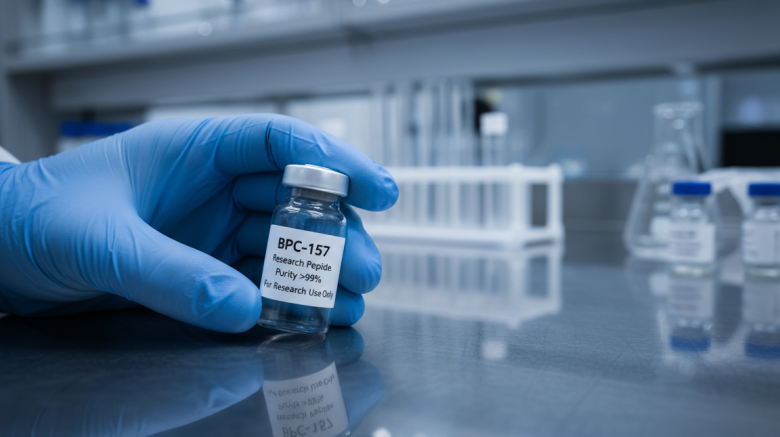
Within modern laboratory research, the availability of a new synthetic peptide can improve how studies are designed. Recently, Koi Peptides made available a high-purity synthetic compound created specifically for laboratory use. As a pentadecapeptide, it provides a well-defined reference material for structured experimental work.
Every batch is rigorously tested with HPLC for purity assessment and mass spectrometry for molecular identity verification. Accompanying every shipment is a Certificate of Analysis, offering traceability and confidence in the compound’s quality.
Research BPC 157
This new offering supports the strict needs of scientific investigation, allowing researchers to streamline their workflows. Because researchers do not need to synthesize the compound in-house, it can free up time, labor, and laboratory resources. This guide will delve into the many aspects of this peptide, including its synthesis, research applications, and safety protocols.
BPC-157 From Koi Peptides: Introduction
The release of a synthetic peptide gives researchers a powerful tool for laboratory investigation. This pentadecapeptide has attracted significant attention in the scientific community because of its potential biological properties.
This compound is strictly classified as a research-use-only reference material. It is intended solely for laboratory investigations and is not approved for diagnostic or therapeutic use in humans.
Scientists may employ this peptide as a standardized material to maintain consistency between studies. This practice supports findings in peptide-related studies, making it an valuable asset in scientific research.
- The peptide provides high purity and well-documented characterization, allowing scientists to conduct reproducible research with confidence.
- One of the key benefits of sourcing this compound is the inclusion of a per-batch Certificate of Analysis. This certificate supplies transparent data on purity and identity for every lot.
- This synthetic compound is recognized for its structural similarity to naturally occurring peptides and its expanding role in preclinical research models.
- In the laboratory, the compound can fit many investigative directions, including cellular assays and animal models focused on tissue repair and protective mechanisms.
- The research community values this compound for its reliability, which helps reduce variability in study outcomes and strengthens the validity of experimental data.
- A clear understanding of proper research-use context is necessary, since the peptide should be handled according to institutional laboratory standards.
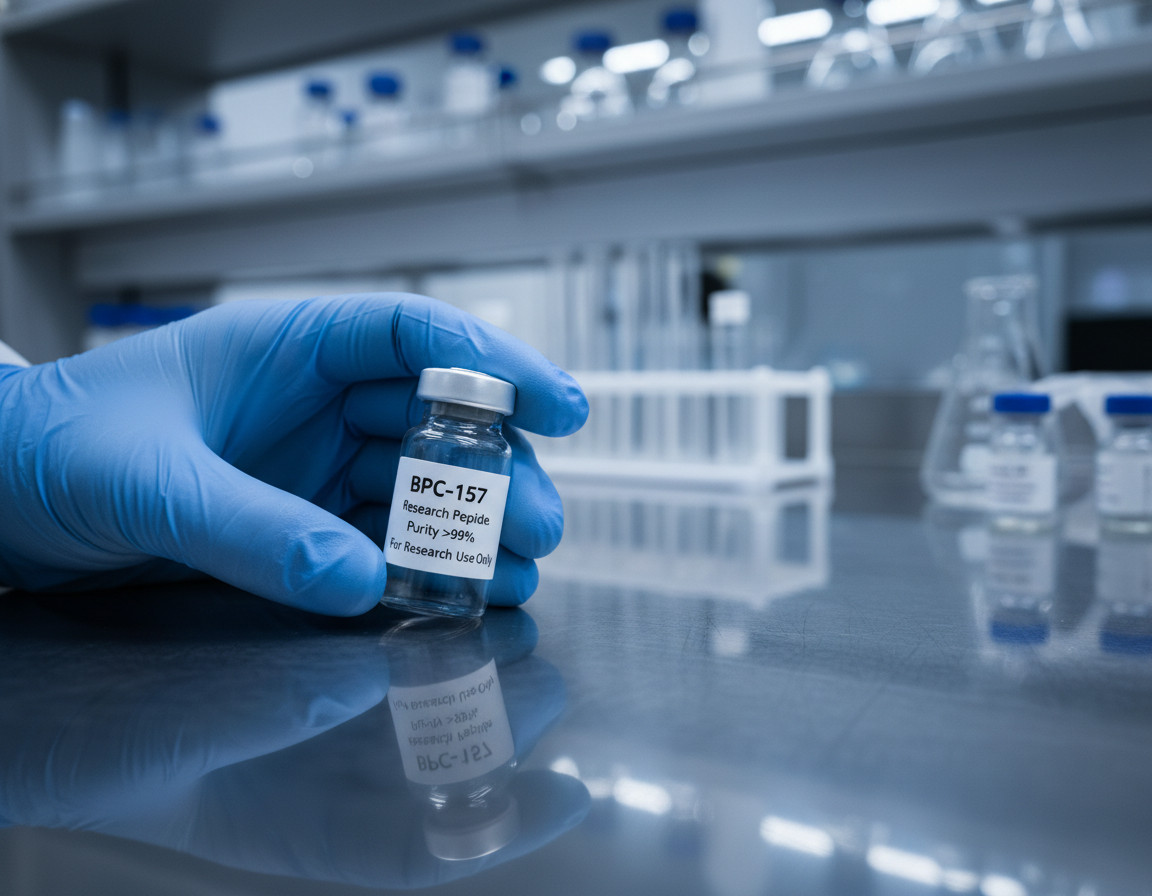
The Chemistry And Synthesis Of BPC-157
The detailed chemistry behind synthetic peptides reveals a important world of molecular interactions. For researchers, understanding peptide structure is important to interpreting experimental behavior. This particular synthetic pentadecapeptide consists of a chain of fifteen amino acids linked in a specific sequence. This arrangement shapes its biological activity and functionality.
The precise amino acid order is important. Small sequence changes may create major differences in experimental results. Therefore, precision in synthesis is paramount.
The Structure Of The Synthetic Pentadecapeptide
This synthetic pentadecapeptide is designed with stability in mind. Stable peptide bonds formed during synthesis can limit degradation under typical laboratory conditions. This characteristic makes it suitable for extended research use.
How Koi Peptides Produces The Synthetic Peptide
Koi Peptides uses advanced solid-phase peptide synthesis techniques. This method supports high fidelity to the desired amino acid sequence throughout production. Production follows stepwise addition of protected amino acids. Afterward, cleavage and purification steps yield a highly pure final product.
Every amino acid building block is reviewed and verified with care. That level of detail helps maintain peptide-chain integrity throughout synthesis. Researchers can access detailed documentation about the synthetic route and quality control measures with each batch.
The production process is structured to minimize impurities and maximize yield. As a result, the final peptide meets stringent research-grade specifications. Understanding the chemistry and synthesis of this compound empowers researchers to predict its interactions with biological systems effectively.
Methods For Confirming BPC-157 Purity And Identity
Reliable research relies heavily on verified purity and clear identification of synthetic peptides. To support rigorous batch standards, Koi Peptides applies advanced analytical methods. These methods support that researchers receive a high-quality material for laboratory studies.
HPLC Characterization For Assessing Purity
High-performance liquid chromatography, or HPLC, is the primary method used to assess the purity of every batch. This technique provides a quantitative measure of the peptide content.
HPLC characterization isolates the target peptide from possible impurities. The process creates a chromatogram that can confirm purity levels commonly above 98 percent for research-grade material.
Mass Spectrometry For Identity Verification
Mass spectrometry serves as a complementary analytical technique for identity verification. It determines the molecular weight of the synthetic peptide and verifies that it matches the expected mass.
Together, HPLC and mass spectrometry provide a strong dual-analysis framework. This ensures researchers receive a peptide of verified purity and correct molecular identity.
The rigorous testing protocol applied to each batch reflects a commitment to quality. That commitment supports reproducible and credible scientific research.
A per-batch Certificate of Analysis tied to the unique lot number documents the results of both HPLC purity assessment and mass spectrometry identity verification for full traceability.
Researchers may reference the Certificate of Analysis in laboratory notebooks, internal records, and publications. This enhances the transparency and reliability of their experimental methods.
Purity testing is important for minimizing confounding variables in research. Without proper testing, impurities could distort biological assay results or introduce experimental artifacts.
By using consistent identification methods, Koi Peptides helps ensure that each shipment meets consistent specifications. Researchers can depend on these standards for their work.
Research And Laboratory Applications Of BPC-157
In scientific research, a recently available synthetic peptide can enable more accurate and reproducible results. This compound serves as a critical reference material, allowing researchers to calibrate assays effectively. Using this peptide allows scientists to compare results across different experimental setups.
The peptide’s research-use-only status has significant implications. It is essential to note that it is not manufactured or tested for human use. All handling should occur in approved laboratory settings to support safety and compliance.
Using The Peptide As A Scientific Reference Compound
In preclinical work, the peptide serves as a valuable tool for investigating peptide-mediated biological effects. Researchers explore its potential influence on cellular signaling pathways and tissue responses. The compound is applied in various in vitro and in vivo models to evaluate effects on processes including cell migration, proliferation, and differentiation.
- This reference compound assists with research methodologies.
- It supports comparison of data between independent laboratories and improves finding reliability.
- Studies using this peptide often investigate its possible role in modulating protective mechanisms in biological systems.
- Laboratory applications extend to pharmacology, toxicology, and molecular biology research.
- Its effects on various cell types and tissues are systematically examined.
Research-Use-Only Status And Implications
The research-use-only designation reinforces the importance of following ethical guidelines. Institutional review board protocols must be followed when designing experiments involving this peptide. By providing a consistent and documented reference material, Koi Peptides supports the advancement of peptide research while maintaining clear boundaries regarding the appropriate use of its products.
Biological Effects And Mechanisms Of BPC-157
The exploration of synthetic peptides reveals their significant impact on various biological processes. Research into the biological effects of this compound has focused extensively on its potential role in body protection. More specifically, studies suggest that the peptide may influence natural defense mechanisms against different stressors.
Furthermore, evidence indicates that it may promote tissue repair by modulating cellular responses at the site of injury. In experimental models involving muscle, tendon, and ligament damage, this may support the healing process.
Impact On Body Protection And Tissue Repair
The interaction of this synthetic peptide with cells involves complex signaling pathways. These pathways can influence cell survival, migration, and proliferation, making the compound valuable for regenerative medicine research.
Nervous system investigations have studied how the peptide may interact with neural cells and brain tissue. Some preclinical studies indicate potential neuroprotective effects, suggesting a role in maintaining brain health.
The peptide’s stability in human gastric juice has also been a frequently discussed area of research. Research indicates that it can remain intact and active after gastric juice exposure, unlike many peptides that degrade quickly.
Interaction With Cells And Nervous System
This resistance to degradation raises the possibility that the peptide may exert effects in the gastrointestinal system. It contributes to gut health and mucosal protection, which are vital for overall well-being.
The body-protection properties associated with this compound may extend to counteracting damage caused by toxins, medications, or physical trauma in laboratory models. Cellular studies have examined how it influences endothelial cells, fibroblasts, and other cell types involved in the repair and maintenance of healthy tissue architecture.
Moreover, the effects on the nervous system include modulation of neurotransmitter systems. This potential support for brain health remains within the realm of preclinical investigation, but it highlights the peptide’s diverse applications.
Researchers continue to explore the mechanisms by which this compound exerts its biological effects. They aim to understand how one synthetic peptide may influence a broad range of protective and reparative processes.
Therapeutic Potential With Experimental Applications
The therapeutic landscape is evolving, with synthetic peptides like this one showing promising experimental applications. Researchers are investigating various aspects of this compound, particularly its effects on healing, inflammation, and pain relief.
Research On Healing, Inflammation, And Pain Relief
A substantial body of preclinical studies has investigated the healing properties of this peptide. Research suggests accelerated recovery in models of skin wounds, muscle tears, and tendon injuries after peptide administration.
The compound’s anti-inflammatory effects have been reported in experimental settings. The peptide appears to affect inflammatory mediators and limit tissue damage linked with excessive inflammation.
Pain relief is another area of experimental interest. Studies suggest that this peptide may influence pain signaling pathways, potentially offering insights into novel approaches for managing discomfort in research models.
Blood Vessel, Gut, And Bone Tissue Effects
Research on blood vessels has revealed that this peptide may promote angiogenesis, the formation of new blood vessel networks. This process is critical for wound healing and tissue regeneration.
The effects on gut health have been extensively studied, particularly its stability in gastric juice. This peptide may protect the gastrointestinal lining from ulceration and damage.
Bone tissue research suggests that the compound may support bone healing and density maintenance. Studies explore its effects on fracture repair and bone-cell activity in laboratory animals.
Tendon and ligament healing represent a major focus of research. The peptide has shown promise in enhancing the repair of connective tissue structures that are notoriously slow to heal.
Various administration routes have been tested, including injections and structured injection protocols. These methods deliver the peptide locally or systemically to assess its effects on targeted tissues.
The therapeutic potential of this compound spans multiple body systems, including the brain. Studies have explored its effects on cognitive function and neural recovery.
Although these findings come from preclinical models rather than human patients, they create a foundation for understanding how the peptide may one day inform therapy development.
The benefits observed in experimental applications underscore the importance of continued research into this synthetic peptide and its mechanisms.
Current Research Evidence On Safety And Efficacy
The safety and efficacy of synthetic peptides are crucial considerations in their research applications. Evaluating these factors is important for advancing scientific investigation. As researchers investigate these compounds, understanding safety profiles and possible therapeutic effects becomes paramount.
Review Of Scientific Studies And Clinical Data
A comprehensive review of the available scientific studies on this peptide reveals a growing body of preclinical evidence supporting its safety profile in laboratory animal models at various dosages. The compound’s safety has been evaluated in several experimental contexts. Studies generally suggest a favorable safety margin and low toxicity when it is administered according to research protocols.
Efficacy data from animal studies suggest that the peptide exerts beneficial effects on healing and tissue protection. However, these findings have not yet been validated in human clinical trials involving patients. The current research evidence is predominantly derived from rodent models, necessitating cautious interpretation when extrapolating results to human health and therapy.
Research Ethics And Use Considerations
Ethical use of this compound in research includes compliance with institutional animal-care guidelines. Proper documentation and transparent reporting of both positive and negative findings are necessary.
Researchers must recognize that this peptide is not approved as a treatment for any medical condition in patients. Use outside approved laboratory settings is not supported by regulatory agencies. The existing safety data create a foundation for continued investigation, but long-term exposure effects still require further research.
A review of the scientific literature reveals both promising therapeutic signals and important knowledge gaps. Those gaps require additional rigorous research. The benefits observed in preclinical studies should be weighed against the limitations of the current evidence base when designing new experiments or interpreting existing data.
Responsible research practices support a clear distinction between experimental peptide use and any suggestion that it is suitable for human therapy or self-administration.
Quality Assurance And Certificate Of Analysis
Quality assurance is a foundation of scientific research, particularly with synthetic peptides. Every produced peptide batch undergoes rigorous testing to ensure it meets high standards for purity and identity. This process is crucial for researchers who rely on these materials for their experiments.
The Certificate of Analysis included with each batch of BPC-157 is a critical document. It details the results of purity testing and identity verification for that specific lot. This transparency is essential for researchers aiming to achieve reproducible results.
Importance Of Per-Batch Certificates Linked To Lot Numbers
Per-batch certificates linked to unique lot numbers enable researchers to trace the exact peptide sample used in their experiments back to its quality control data. This capability improves reproducibility and enhances the credibility of scientific findings.
- The importance of this documentation cannot be overstated, as it provides objective evidence of the peptide’s purity and identity, which are essential parameters for credible scientific research.
- Koi Peptides ensures reliable testing by employing validated analytical methods, including HPLC for purity assessment and mass spectrometry for molecular weight confirmation, on every production batch.
- Laboratory standards for peptide research demand rigorous quality assurance practices. The per-batch Certificate of Analysis supports institutions meet these requirements through auditable records.
- Koi Peptides’ testing process is intended to detect and quantify potential impurities. This ensures that only peptide batches meeting strict purity thresholds are released for research use.
- Researchers can review Certificate of Analysis data to confirm that the peptide received matches the specifications required for their protocols.
- By linking each certificate to a specific lot number, Koi Peptides creates a transparent chain of custody that enhances trust in the quality and consistency of its research peptides.
- Following high laboratory standards in synthetic peptide production and testing demonstrates Koi Peptides’ commitment to supporting researchers with reliable tools.
Reliable Testing And Laboratory Standards
Maintaining high standards in synthetic peptide production and testing is critical for the scientific community. The comprehensive quality assurance process at Koi Peptides ensures that researchers receive a product they can trust. This quality commitment encourages scientific integrity and improves the reliability of research outcomes.
Key Takeaways For Researchers Using BPC-157 From Koi Peptides
A new synthetic peptide opens up exciting avenues for exploration in the field of research. This pentadecapeptide supports several benefits that may enhance scientific study quality. Understanding its applications can produce useful insights into healing and body-protection mechanisms.
Summary Of Benefits And Research Opportunities
Key benefits of using this peptide in research may include:
- Researchers gain access to a highly pure synthetic peptide that supports reproducible and credible experimental outcomes.
- Significant opportunities to explore the peptide’s effects on healing, body protection, and cellular mechanisms, contributing to the broader understanding of peptide-based therapy.
- Potential applications in preclinical therapy research span multiple tissue types and organ systems, including the brain, gut, bone, and vascular networks.
Guidance For Implementing Laboratory Studies
Laboratory implementation of studies involving this peptide should begin with a thorough review of the available literature. Careful experimental design is crucial, taking into account the peptide’s stability and handling requirements.
Proper storage conditions are essential for maintaining the peptide’s integrity. These conditions may include:
- Lyophilized storage under recommended temperature conditions.
- Reconstitution in suitable solvents to preserve biological effects.
Researchers are encouraged to include Certificate of Analysis data in laboratory records. Referencing the specific lot number in publications enhances transparency and credibility.
The body of preclinical evidence on this peptide suggests promising avenues for future therapy development. However, researchers must respect its research-use-only status. Collaboration between laboratories and adherence to standardized protocols can support the accumulation of reliable data on the peptide’s effects and mechanisms.
By choosing this compound, researchers gain a dependable reference that facilitates rigorous investigation into the healing and protective properties of synthetic peptides.
Closing Conclusion
A novel synthetic peptide can serve as a pivotal resource for advancing research efforts across various scientific fields. This compound serves as a reliable, well-characterized synthetic peptide that meets demanding modern laboratory research requirements.
- Comprehensive quality-assurance measures, including HPLC purity testing and mass spectrometry identity verification, promote consistent performance.
- Researchers can leverage this peptide to investigate biological processes linked to tissue repair, body protection, and cellular signaling.
- The research-use-only designation serves as a reminder that this peptide is a tool for scientific discovery, not intended for human consumption.
- As the scientific community explores synthetic peptides, this compound provides a trusted reference that supports rigorous research.
- The per-batch Certificate of Analysis reflects the transparency and quality commitment expected from peptide suppliers.
- Continued investigation into this peptide will help elucidate its mechanisms and may inform novel therapeutic strategies.
- Ultimately, this compound supports researchers conduct high-quality studies that contribute meaningfully to peptide biology and regenerative research.